DBS checks for sports coaches: what you need and how to get one
Which DBS check a sports coach needs, why self-employed coaches apply through an umbrella body, and how the Update Service keeps your certificate current.
· 6 min read
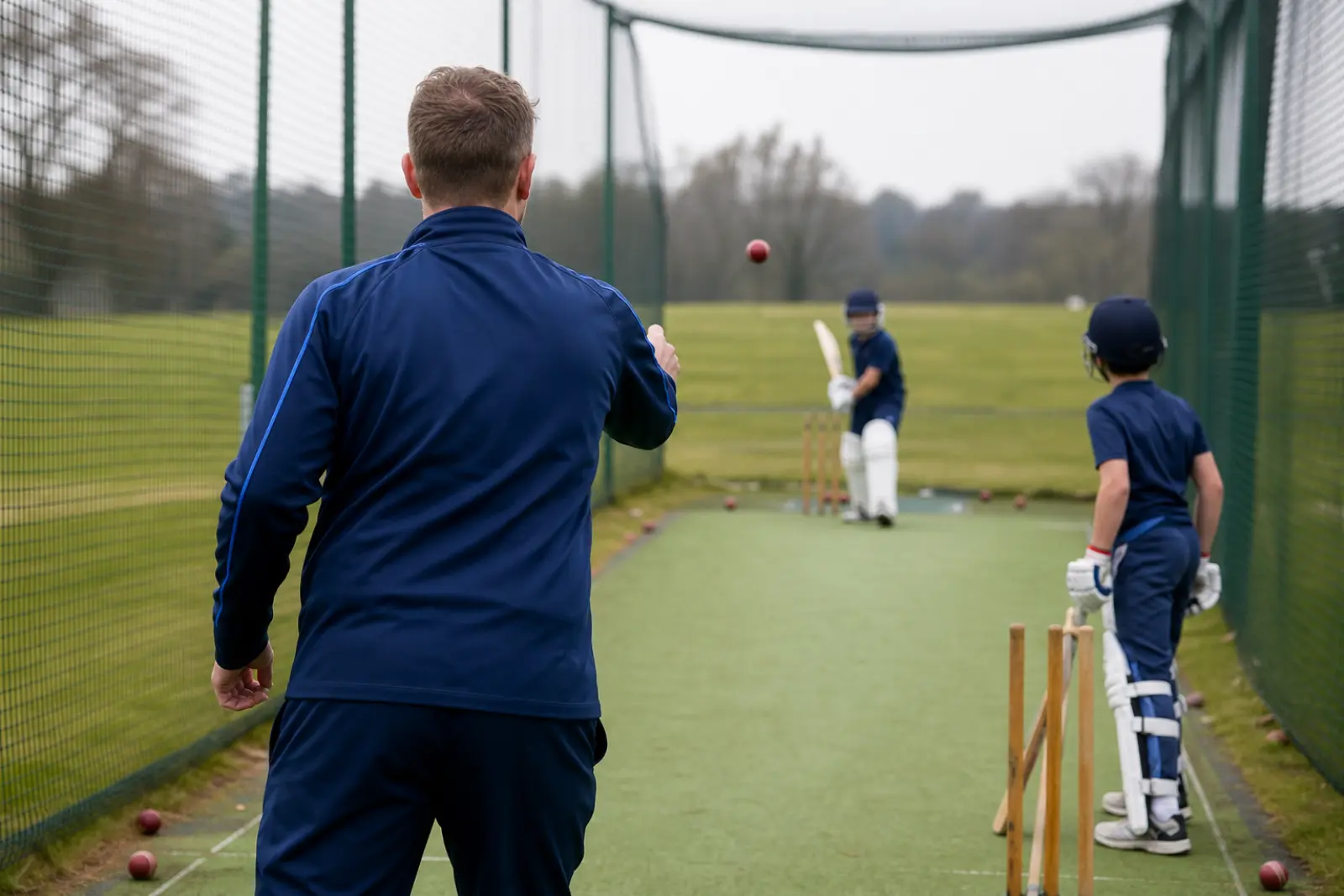
You've done your first coaching badge, found a pitch and posted in the local parents' Facebook group. The first reply isn't about times or what the sessions cost. It's one line: "Are you DBS checked?"
It's the right question. If you're just starting out, the honest answer is often "not yet, and I'm not sure how". This post covers which check a sports coach needs, how you get one when you work for yourself, and how to keep it current so you aren't repeating the whole process every time you take on new work.
One note before we start. This is a guide, not legal advice. Who needs which check is set by government rules, and your sport's governing body will have its own requirements on top. Check the details with them.
What a DBS check is
The Disclosure and Barring Service (DBS) carries out criminal record checks for people in England and Wales. You get a certificate showing what's on your record, at the level you were checked for.
The rest of the UK has its own systems. In Scotland, Disclosure Scotland runs the PVG scheme (Protecting Vulnerable Groups). In Northern Ireland, AccessNI carries out checks.
If you coach in Scotland or Northern Ireland, the ideas below are similar but the names and routes differ. If you coach in more than one nation, ask each organisation you work with which check they need.
The four levels of DBS check
There are four levels, and each one shows more than the last:
- A basic check shows unspent convictions and conditional cautions. You can apply for this one yourself.
- A standard check shows spent and unspent convictions, cautions, reprimands and final warnings, apart from older minor ones that are filtered out under the rules. An organisation has to request it.
- An enhanced check shows everything in a standard check, plus any information local police think is relevant to the role.
- An enhanced check with barred list checks also looks at whether you're on a list of people barred from working with children, with adults, or both.
You don't get to pick your level. It depends on the role you're doing, and the organisation processing your check has to confirm the role is eligible.
Which check a sports coach needs
If you coach children, you'll usually need an enhanced check with the children's barred list. That's what governing bodies, clubs and holiday camp providers normally mean when they ask whether you're DBS checked. Parents mean it too, even if they don't know the name.
A basic check is quick and easy to get, which is why some new coaches start there. It won't show what an enhanced check shows, and it won't satisfy a club or a governing body that asks for an enhanced one.
If you only coach adults, the picture is different. Many adult coaching roles aren't eligible for an enhanced check at all. Ask your governing body what applies to your sport and the people you coach.
Why you can't apply for an enhanced check on your own
This catches out a lot of coaches starting out. If you're self-employed, you can't apply directly to the DBS for a standard or enhanced check. The application has to go through an organisation registered with the DBS, or an umbrella body that processes checks on behalf of others.
There are three usual routes:
- Your sport's governing body. Many process checks for coaches who are members or who hold their qualifications. Start here. Their check is likely to be the one clubs and venues in your sport expect.
- A club or camp provider you coach for. If you're helping at an established club or working at someone else's holiday camp, they may process your check as part of you joining.
- An umbrella body. These organisations process checks for self-employed people and small businesses. Make sure the one you use is registered and can confirm your role is eligible for the level you need.
How the application works
Whichever route you take, the steps look much the same:
- Find your route from the list above.
- Fill in the application form, usually online. You'll be asked for your address history, so have it to hand.
- Prove your identity. The organisation tells you which documents count, and you'll often need more than one.
- The organisation checks your documents and submits the application. The certificate is sent to you.
If you're a student, give yourself a few minutes to write down your addresses before you start. Moving between term-time and home addresses is exactly the kind of detail that's easy to get wrong on a form.
Keep it current with the Update Service
A DBS certificate doesn't have an official expiry date. In practice, clubs and providers decide how recent a certificate they'll accept, and some want a fresh one.
The DBS Update Service saves you going through it all again. You subscribe, and organisations you give permission to can check online whether anything has changed since your certificate was issued. When you join a new club or take on a new camp, you show them the same certificate, as long as it's the same level and covers the same kind of work.
Two things to know:
- There's a deadline for joining, counted from when your certificate is issued. Sign up as soon as it arrives.
- It's a yearly subscription, so make a note of when it renews.
Already got a certificate from a school placement or a part-time job? If it's an enhanced check for work with children and you subscribed to the Update Service, you may be able to reuse it. If you didn't subscribe, you'll probably need a new one for your coaching.
What a DBS check doesn't do
A certificate shows your record on the day it was issued. It's one part of keeping children safe, not the whole of it.
- Most governing bodies expect safeguarding training as well as a check.
- You still need to know how to contact each child's parent in an emergency, any medical needs, and who is allowed to collect them.
- If other people help at your sessions, they need the right checks too.
What to tell parents
Be straight about where you are. If your application is in progress, say so. Once you have your certificate, offer to show it to any parent who asks.
Show it in person rather than posting a photo online. It carries your personal details, and a clear answer when somebody asks does more for trust than a picture on Instagram.
How it works on Pitch Gurus
Pitch Gurus doesn't run DBS checks, and it doesn't show a DBS badge. Its identity check confirms your photo ID and nothing more.
You can list your DBS clearance on your profile, but that's your own declaration, so keep your certificate ready for any parent who asks to see it.
The free Coach plan gives you a public profile that parents and athletes can find, and you don't need a card to start. It's a good thing to set up while your check is going through: your sport, your qualifications and how you coach, all in one place you can send people to. See how getting found works.
When your first paying client comes along, the Service Provider plan lets you sell sessions, camps and services, with booking and payment in one step. That means no chasing payments in the evening once the kids are in bed. See what Pitch Gurus does for coaches.